

LEE x NIGEL CABOURN OX'ED SILVER - RANCH WORKER 101J - INDIGO
LEE x NIGEL CABOURN OX'ED SILVER - RANCH WORKER 101J - INDIGO
Nigel Cabourn

A historic collaboration commemorating the 101st anniversary of the birth of Lee.
The Ranch Worker 1940-1944 series focuses on ranch workers in the American West, the result is a special denim jacket that vividly reflects the historical backdrop of Japan, the U.S., and Europe.
The base is the wartime model 101-J, made under material controls around 1942-45. European workwear and British military elements are boldly mixed into it and reconstructed with a unique interpretation.
The biggest attraction is the original denim fabric which deliberately recreates the unevenness and instability caused by material shortages at the time. By weaving yarns of different raw materials and thicknesses on old-fashioned shuttle looms, it achieves a rugged, uneven texture and a coarse feel. Indigo is rope-dyed and then over-dyed with sulphur dye for a colour with depth.
The details are also packed with the uncompromising touches of both brands. The silhouette strikes an exquisite balance of slightly wide & short length, with a unique pattern. In contrast to American specifications such as the front (laurel buttons) that speak to material controls and the omission of the back cinch, details from the British Army battle jacket are used for the sleeves, chest pocket, underarm ventilation, and corozo (palm nut) change buttons.
Even more noteworthy is that parts incorporating British Army details use left-hand twill denim (LOT-2602) and other fabrics that differ from the right-hand twill denim (LOT-2601) used for the body. By combining different denims, you can enjoy unique, three-dimensional aging, with each part developing a different character the more it is worn. Parts coveted by vintage fans, such as the red tag, leather patch, and union ticket, are also present.
※During the first wash, the chest circumference and hem width will shrink by approximately 4cm, while other areas (such as body length and sleeve length from centre back) will shrink by about 1cm-3cm. This varies depending on washing conditions.
100% Cotton
Made in Japan
Couldn't load pickup availability


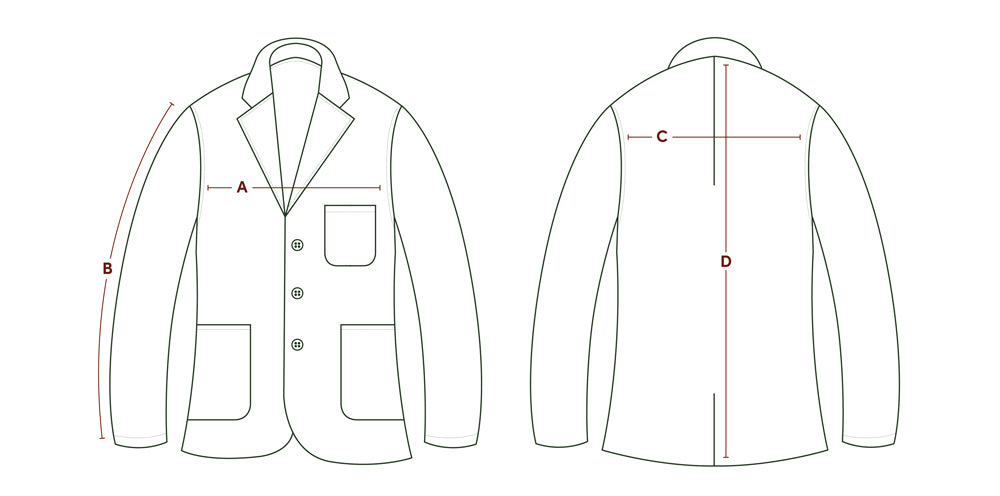
Size Guide
Size Chart
LEE x NIGEL CABOURN OX'ED SILVER - RANCH WORKER 101J - INDIGO